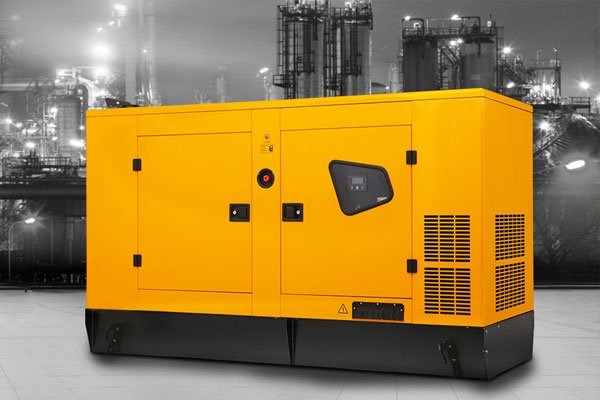
In a world increasingly reliant on consistent power, the hum of a generator often signifies more than just electricity – it’s a promise of continuity, safety, and comfort. From keeping the lights on during a storm to powering remote job sites or electrifying a major outdoor festival, the applications of generators: powering homes, businesses, and events are as diverse as they are indispensable. These workhorses convert mechanical energy into vital electrical current, ensuring that life, commerce, and celebration can proceed even when the grid can’t keep up, or simply isn't there.
When the grid goes dark, a generator steps in as the unsung hero, silently safeguarding everything from perishable food to critical medical equipment. They are the backbone of modern resilience, allowing us to maintain essential services and enjoy life’s conveniences without interruption.
At a glance: Why Generators Matter So Much
- Reliable Backup: Essential for homes, hospitals, and infrastructure during power outages.
- Off-Grid Freedom: Enables living, working, and recreating in remote areas without grid access.
- Business Continuity: Protects operations, data, and revenue from costly downtime.
- Event Powerhouse: Fuels the fun at concerts, weddings, and outdoor gatherings.
- Versatile Solutions: Available in various sizes and fuel types to suit any need.
- Enhanced Safety: Provides power for critical systems and lighting in emergencies.
What Makes a Generator Tick? A Quick Primer
Before we dive into their myriad uses, it helps to understand the fundamental principle behind these powerful devices. At its core, a generator is a marvel of engineering that transforms mechanical energy into electrical energy. Think of it as a small power plant in a box. It operates on the principle of electromagnetic induction: a fuel-powered engine (like those found in cars) drives a rotor, which spins past magnets or coils. This spinning motion within a magnetic field induces an electrical current, which is then harnessed as usable power.
Key components work in harmony to achieve this: the engine provides the mechanical input, the alternator converts it to electricity, a fuel system keeps the engine running, a voltage regulator ensures stable power output, and a control panel allows you to manage it all. Understanding what a generator is and how its internal components work together reveals the genius behind its reliable operation.
Choosing Your Power Partner: Types of Generators Explained
Not all generators are created equal. Different needs call for different solutions. Here’s a breakdown of the primary types you’ll encounter:
Portable Generators: Your Power On-the-Go
These are the most familiar to many, compact and designed for mobility. Typically running on gasoline, portable generators offer outputs ranging from 1,000 to 10,000 watts. They’re the go-to choice when you need power in different locations, whether it's powering tools at a remote worksite, keeping essentials running during a short blackout, or bringing comfort to a campsite. Their main strength is their versatility and ease of transport.
Standby Generators: The Unseen Guardian
Permanently installed outside a home or business, standby generators are true champions of seamless power. Connected directly to your electrical system and typically fueled by natural gas or propane, they automatically detect a power outage via a transfer switch and kick on within seconds. This ensures uninterrupted power for your entire property or critical circuits, making them indispensable for long-term reliability and peace of mind during extended grid failures.
Inverter Generators: Quiet, Clean, and Efficient
If you're looking to power sensitive electronics like laptops, smartphones, or delicate medical devices, an inverter generator is your best bet. They produce "clean" sine wave power, which is stable and free from voltage fluctuations that can harm electronics. Beyond that, they're known for their quiet operation and fuel efficiency. How? They cleverly adjust their engine speed based on the power demand, consuming less fuel and generating less noise when full power isn't needed. This makes them hugely popular for recreational use, RVs, and small-scale backup.
Solar Generators: The Green Power Revolution
For the environmentally conscious or those seeking silent power, solar generators offer a compelling alternative. These systems use photovoltaic panels to convert sunlight into electrical energy, which is then stored in integrated batteries. While their power output depends on sunlight availability, they provide a quiet, emission-free solution perfect for off-grid living, silent camping, or as an eco-friendly backup. They're a long-term investment in sustainable power.
Generators in Action: Powering Every Corner of Our Lives
With an understanding of generator types, let's explore where these devices truly shine—ensuring a constant electricity supply across countless scenarios.
1. Emergency Backup Power: Your Lifeline in a Crisis
When the lights go out, a generator often becomes the most important appliance you own. For homes, hospitals, and critical infrastructure, backup power is not just a convenience; it's a necessity that safeguards life and property.
- At Home: Imagine a winter storm knocking out power for days. A home generator keeps your furnace running, your refrigerator cold, and your lights on, preventing burst pipes, spoiled food, and general discomfort. It ensures safety and normalcy when the unexpected strikes.
- Hospitals and Healthcare Facilities: In healthcare, continuous power is non-negotiable. Generators ensure life-sustaining equipment like ventilators, MRI machines, and operating room lights never lose power, directly contributing to patient safety and successful medical procedures. From large hospitals to small clinics and research labs, generators are the silent guardians of health.
- Critical Infrastructure: Data centers, communication hubs, water treatment plants, and emergency services rely heavily on backup generators. A power outage could lead to massive data loss, communication blackouts, or compromised public safety services. Generators guarantee these vital systems remain operational, protecting our society's fundamental frameworks.
2. Fueling the Front Lines: Construction Sites and Industrial Applications
Building new roads, skyscrapers, or managing mining operations often takes place far from established power grids. This is where generators become indispensable tools, providing the muscle for heavy machinery and the light for extended work hours.
- Construction: On construction sites, generators power everything from saws and drills to air compressors, welding equipment, and crucial lighting for early morning or late-night shifts. They enable progress in remote areas and ensure projects stay on schedule, regardless of grid access.
- Industrial and Mining: In isolated industrial parks or remote mining operations, generators facilitate drilling, extraction, and processing activities. These sites often operate 24/7, making a reliable, independent power source absolutely critical to maintain productivity and safety in challenging environments.
3. Grand Events and Mobile Operations: Powering the Experience
From a dazzling outdoor concert to a bustling food truck, generators bring the power wherever the action is, transforming ordinary spaces into vibrant hubs of activity.
- Outdoor Events: Think of the concerts, festivals, weddings, and corporate events held under open skies. Generators supply the electricity for booming sound systems, intricate lighting setups, stage equipment, and catering facilities. Without them, the show simply couldn't go on.
- Mobile Enterprises: The rise of mobile businesses—food trucks, pop-up shops, mobile clinics, and outdoor workstations—is largely thanks to the independence generators provide. They allow these entrepreneurs and service providers to operate smoothly, offering their services wherever their customers are, without being tethered to an electrical outlet.
4. Remote Living and Off-Grid Solutions: True Independence
For those who choose to live off the beaten path, or whose work takes them there, generators are often the primary source of power, offering true self-sufficiency.
- Cabins, Farms, and Research Stations: In remote cabins, sprawling farms, or scientific research stations far from civilization, generators provide essential power for heating, cooking, lighting, and specialized equipment. They make off-grid living not just possible, but comfortable and productive.
- Recreational Vehicles (RVs) and Camping: For adventurers exploring the wilderness in RVs or setting up camp, generators supply electricity for modern conveniences like air conditioning, microwaves, lighting, and charging devices, significantly enhancing comfort and safety in the great outdoors.
- Remote Villages: In developing regions or isolated communities, generators can provide essential power for basic lighting, refrigeration for medicine, and water pumping, significantly improving quality of life.
5. Business Continuity: Safeguarding Productivity and Profits
Every minute of power outage costs businesses money, productivity, and potentially, customer trust. Generators are a vital investment in maintaining operational integrity.
- Offices and Data Centers: During power interruptions, generators prevent financial losses, data corruption, and significant downtime. Data centers, in particular, rely on massive generator arrays to protect invaluable information and maintain constant online services.
- Retail and Manufacturing: From keeping point-of-sale systems running to powering assembly lines, generators ensure that businesses across various industries can continue operating, minimizing disruption and protecting revenue.
6. Agricultural Requirements: Nurturing Growth and Livestock
The agricultural sector relies heavily on consistent power for modern farming practices. Generators play a crucial role in ensuring productivity and animal welfare.
- Farm Operations: Generators power irrigation pumps, automated feeding machinery for livestock, temperature control systems in barns and greenhouses, and essential lighting. This constant power supply is critical for crop health, animal comfort, and overall farm efficiency, especially during planting and harvesting seasons.
7. Transport Sector: Keeping Things Moving
Beyond stationary applications, generators are integrated into various forms of transport to maintain operations and preserve cargo.
- Refrigerated Trucks, Trains, and Ships: In the logistics of perishable goods, generators power the refrigeration units in trucks, trains, and shipping containers, ensuring food, pharmaceuticals, and other temperature-sensitive items arrive at their destination intact and safe for consumption or use. They are critical for cold chain management.
8. Power Grid Management: A Safety Net for the System
Even the largest power plants utilize generators, often large standby units, not just for backup but to actively manage the power grid.
- Grid Stability: During maintenance periods, unexpected surges, or system failures, these generators can step in to provide auxiliary power, helping to stabilize the grid and prevent widespread blackouts, ensuring a reliable power supply for millions.
Beyond the Basics: Key Benefits of Embracing Generator Power
The tangible applications of generators clearly illustrate their value. But beyond the immediate utility, there are broader benefits that make them a smart investment for anyone concerned with reliability and well-being.
- Uninterrupted Supply: This is the most obvious benefit. Generators enhance safety, convenience, and provide immense peace of mind by ensuring a continuous power supply for essential needs and desired luxuries. No more scrambling for flashlights or worrying about frozen pipes.
- Safety and Security: In an emergency, generators power security systems, garage door openers, and critical medical devices, making your home or business safer and more accessible. They also ensure adequate lighting, reducing the risk of accidents.
- Modern Efficiency and Reduced Impact: Contemporary generator designs have made significant strides. Many modern models are more fuel-efficient, consuming less fuel to produce the same amount of power. They are also notably quieter, minimizing noise pollution, and often feature reduced emissions, lessening their environmental footprint compared to older models.
- Flexibility and Choice: The market offers a wide range of generators in terms of size, power output, and fuel type (gasoline, propane, natural gas, diesel, solar). This flexibility allows users to select the perfect generator tailored to their specific needs, whether for a small recreational activity or an industrial-scale operation.
- Property Value Enhancement: For homeowners, installing a standby generator can be a significant selling point, adding tangible value to a property by offering an attractive feature that guarantees comfort and security.
Staying Safe and Smart: Essential Generator Guidelines
While generators offer incredible benefits, their safe operation is paramount. Improper use can lead to serious hazards like carbon monoxide poisoning or electrical fires.
- Professional Installation is Key: For permanently installed standby generators, professional expertise is non-negotiable. This includes proper grounding, correct sizing, and adherence to all local electrical and building codes. An incorrectly installed generator can be a fire hazard or lead to dangerous electrical backfeed into the grid.
- Ventilation is Vital: Never, under any circumstances, operate a generator indoors, in a garage, or in any enclosed space. Generators produce carbon monoxide, a colorless, odorless, and deadly gas. Always run them outdoors, far from windows, doors, and vents that could allow exhaust fumes to enter occupied buildings.
- Carbon Monoxide Detectors: Installing battery-operated carbon monoxide detectors in your home or business is a crucial layer of protection, even when following proper ventilation guidelines.
- Regular Maintenance: Like any engine, generators require regular maintenance. Follow the manufacturer's recommendations for oil changes, spark plug replacements, and general inspections. Regular maintenance checks ensure reliable performance when you need it most and extend the lifespan of your unit.
- Fuel Storage: Store fuel safely in appropriate containers, away from living spaces and heat sources, and ensure proper ventilation.
Making the Right Choice: Key Considerations for Your Generator
With so many applications and types, selecting the right generator can feel daunting. Here’s a brief guide to help you make an informed decision:
- Determine Your Power Needs: What do you absolutely need to power? (e.g., refrigerator, furnace, medical devices). What would be nice to have? (e.g., TV, microwave). Calculate the starting (surge) and running watts of these appliances. This will dictate the required wattage of your generator.
- Consider the Application:
- Emergency Home Backup: Standby generators offer automatic, seamless power for whole-house or critical circuit coverage. Portable generators can cover essentials for shorter durations.
- Outdoor Activities/Sensitive Electronics: Inverter generators are ideal for their quiet operation and clean power.
- Construction/Remote Work: Portable or larger industrial generators designed for rugged use.
- Off-Grid Living: Solar generators for eco-friendly, silent power, often complemented by a fuel-powered backup.
- Fuel Type:
- Natural Gas/Propane: Common for standby generators, offering long run times with a direct fuel line.
- Gasoline: Most common for portable generators, widely available but has a shorter shelf life.
- Diesel: Efficient and powerful, often used in industrial or large commercial generators.
- Solar: Environmentally friendly, no fuel costs, but dependent on sunlight.
- Noise Level: Important for residential areas or recreational use. Inverter generators are generally the quietest.
- Budget: Generators range widely in price. Factor in not just the purchase cost, but also installation (for standby units) and ongoing fuel and maintenance expenses.
- Safety Features: Look for features like low-oil shutdown, overload protection, and GFCI outlets for added safety.
Common Questions About Generators
Here are answers to some frequently asked questions that might arise when considering generators:
Q: How long can a generator run continuously?
A: This varies significantly by type and fuel source. Portable generators typically run for 8-12 hours on a tank of gasoline. Standby generators, connected to a natural gas line, can run for days or even weeks as long as the fuel supply is uninterrupted. Consult your generator's manual for specific run times.
Q: Do I need a transfer switch?
A: Yes, if you plan to connect your generator directly to your home's electrical panel. A transfer switch (manual or automatic) safely disconnects your home from the utility grid before connecting it to your generator, preventing dangerous "backfeed" of electricity into utility lines, which can injure utility workers.
Q: Can I plug my generator directly into a wall outlet?
A: Absolutely not. This practice, known as "backfeeding," is extremely dangerous. It can create a fire hazard, damage your home's electrical system, and send power back into the utility lines, potentially electrocuting utility workers or anyone else on the grid. Always use a proper transfer switch installed by a qualified electrician.
Q: Are solar generators powerful enough for a whole house?
A: Most consumer-grade solar generators are designed for smaller loads like electronics, lights, and small appliances. While large, custom-designed solar power systems can power a whole house, they are complex installations and go beyond the typical "solar generator" product. For whole-home backup, traditional standby generators usually offer more robust and consistent power.
Q: What maintenance does a generator require?
A: Regular maintenance includes checking and changing the oil, replacing spark plugs, checking air filters, inspecting fuel lines, and testing the battery (for electric start models). Always run your generator periodically (e.g., monthly) to ensure it's in working order and to circulate fluids.
Your Power, Your Peace of Mind
Generators are more than just machines; they are crucial investments in resilience, convenience, and safety. Whether you’re protecting your family during a natural disaster, ensuring your business stays operational, bringing life to a remote event, or simply enjoying the great outdoors with all the comforts of home, there's a generator designed to meet your needs. By understanding the types available, their vast applications, and crucial safety protocols, you empower yourself to make informed decisions that guarantee an uninterrupted flow of power, providing invaluable peace of mind in an unpredictable world.