At its core, a "generator" is more than just a machine that sparks to life during a power outage. It's a fundamental concept, a powerhouse of transformation that permeates countless aspects of our modern world. From literally lighting up our homes to creating the complex algorithms that drive artificial intelligence, the generator serves as a vital engine, converting inputs into desired outputs. Whether transforming energy, data, or even abstract ideas, understanding the generator definition unveils its profound impact across diverse fields.
This foundational term, rooted in the Latin "generātor" (producer) from the mid-17th century, signifies something that produces or creates. While often conjuring images of humming electrical machines, its meaning extends far beyond, encompassing devices, systems, and even mathematical constructs designed to bring something new into existence.
The Core Concept: What Exactly is a Generator?
Broadly speaking, a generator is any device or system engineered to convert one form of energy into another, or to produce specific outputs based on given inputs. Think of it as a meticulously designed process of transformation. In its most commonly recognized form, it's the robust machine that springs into action when the grid fails, turning mechanical effort into usable electricity. If you've ever wondered about the nuts and bolts of how these essential devices produce power, you'll want to Understand electric generators and their fundamental principles.
Powering Our World: Generators in Engineering
The realm of engineering is where generators truly shine, providing the energy and motion that fuel our industries, homes, and infrastructure.
Electrical Generators: The Heartbeat of Modern Power
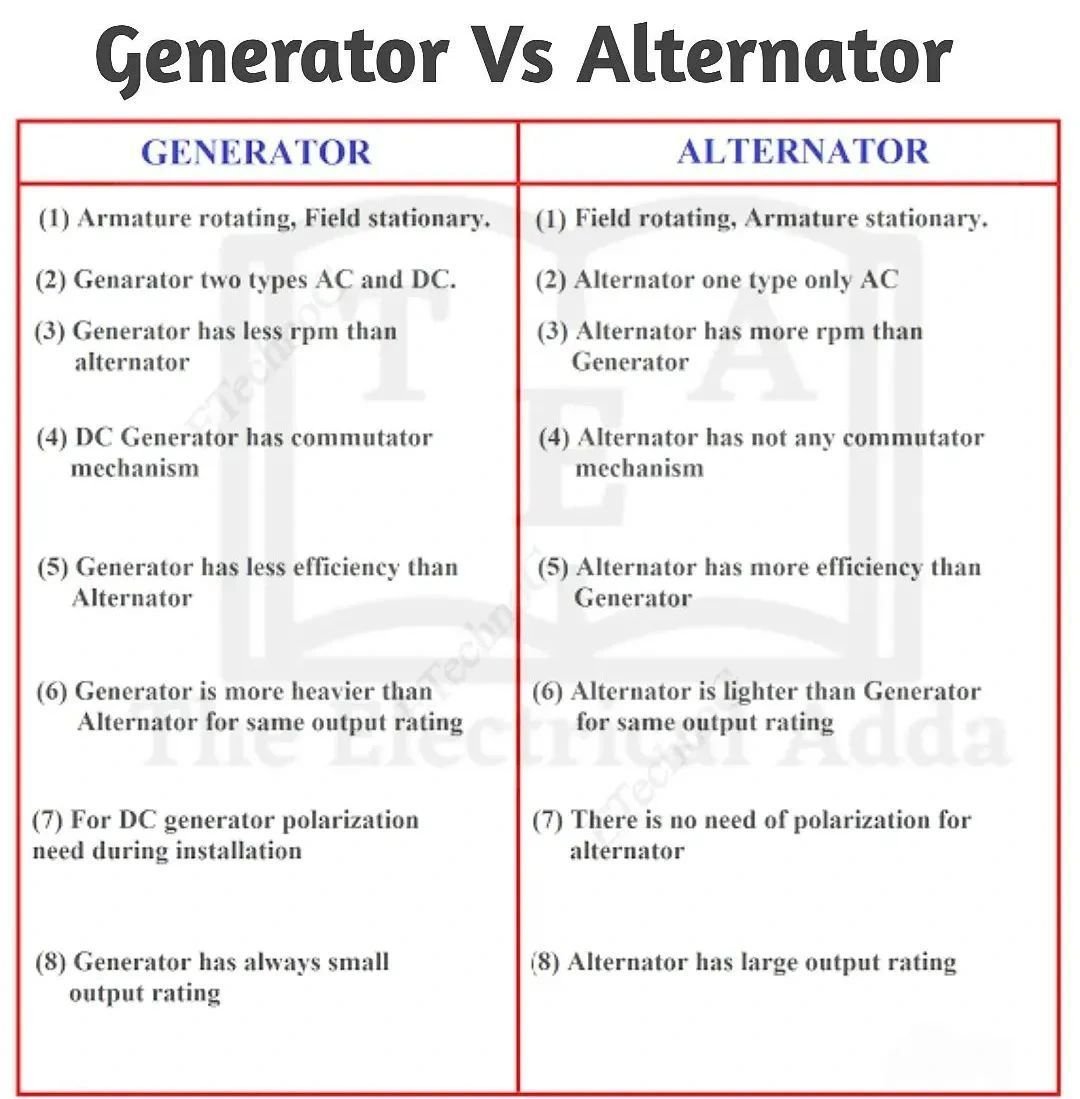
When most people hear "generator," they envision an electrical generator – a miraculous machine that converts mechanical energy into electrical energy. This conversion happens through a process called electromagnetic induction, where a conductor moves within a magnetic field, inducing an electrical current, typically alternating current (AC). These essential devices come in a dazzling array of forms, each designed for specific needs and scales. For a comprehensive look at the different applications and scales of these devices, you can Explore generator types Learn about generator. From compact portable units to vast hydroelectric power stations, their role is indispensable.
The sheer variety of electrical generators is astounding, ranging from small, gas-powered portable units perfect for emergencies or camping, to permanently installed standby generators that automatically kick in during outages. Then there are large-scale industrial generators like hydroelectric plants harnessing water flow, colossal wind turbines capturing kinetic energy from the breeze, and thermal power generators that use steam from burning fossil fuels or nuclear fission. To truly grasp the brilliance behind these machines, it helps to Discover how generators work and the principles of electromagnetic induction.
Mechanical Generators: Motion and Force
Beyond electricity, generators also play a crucial role in mechanical engineering. Here, a generator refers to a machine or system designed to create motion or power output from an input source, transforming one energy form into another to produce usable mechanical power. Examples include hydraulic generators, which convert fluid pressure into mechanical motion, or pneumatic generators, which use compressed air to drive tools and machinery. These systems are integral to heavy machinery, industrial automation, and even certain vehicle propulsion systems.
Beyond Power: Generators in the Digital and Abstract Realms
The concept of a generator elegantly extends far beyond physical machines, finding profound applications in the digital and abstract sciences.
Computer Science: Producing Data and Code on Demand
In the world of computing, a generator is a program or function specifically designed to produce a sequence of values or outputs as needed, rather than generating them all at once. This "on-demand" approach is incredibly efficient, conserving memory and significantly improving performance, especially when dealing with large datasets or infinite sequences.
Common types include:
- Random Number Generators: Crucial for simulations, gaming, cryptography, and statistical sampling.
- Code Generators: Automate the creation of boilerplate code snippets, streamlining development and reducing manual errors.
- Data Generators: Produce sample data for testing software applications, ensuring robust functionality without using sensitive real-world information.
Linguistics & AI: Crafting Language and Content
The explosion of artificial intelligence has propelled the term "generator" into the mainstream with the rise of "generative AI." In this field, a generator is a system, rule set, or model capable of creating new language elements, whether it be words, sentences, or entire texts. Natural Language Generators (NLG) are pivotal in converting structured data into human-readable language, powering applications like chatbots, automated news reports, and personalized marketing content. This exciting frontier includes everything from advanced text generators to image generators like DALL-E, showcasing AI's ability to produce novel and creative content.
Chemistry: Producing Gases and Vapors
Even in chemistry, the term finds a niche. Here, a generator refers to a specialized apparatus crafted for the production of a specific gas or vapor. These setups are vital in laboratory settings and industrial processes where controlled and on-demand gas generation is required for experiments, synthesis, or analysis.
Mathematics: Forming Objects from Elements
In the precise language of mathematics, a generator is an element or a set of elements from which a specified mathematical object can be formed by applying certain operations. Alternatively, it can refer to an element, like a line, that generates a figure or shape. This concept is fundamental in group theory, geometry, and other abstract mathematical domains.
The Anatomy of a Generator: What Makes Them Tick?
Regardless of their specific application or the type of energy they handle, most generators share fundamental principles and core components that enable their transformative work. Whether it's the engine providing mechanical input, the alternator producing electrical output, or the control panel managing operations, each part plays a critical role in the overall system. Understanding these individual elements is key to appreciating the engineering marvel that is a generator. To learn more about the crucial pieces that make these machines function, make sure to Discover key generator components.
Generators in Action: Powering Our Daily Lives
From the vast power plants that energize entire cities to the portable units safeguarding critical data during outages, generators are truly everywhere. They provide backup power for hospitals, run construction sites, fuel remote research outposts, and ensure continuous operation for essential services. Their versatility means they can be tailored to an incredible range of needs, keeping our world running smoothly and efficiently. Curious about the many places these workhorses are deployed? Explore How Generators Power Your World to see their practical impact.
The "generator definition" is far from singular; it's a dynamic concept reflecting humanity's continuous drive to create, transform, and innovate. As technology advances, from ever-more efficient electrical generators to the boundless potential of generative AI, the role of these producing forces will only continue to grow, shaping our future in ways we are only just beginning to imagine.