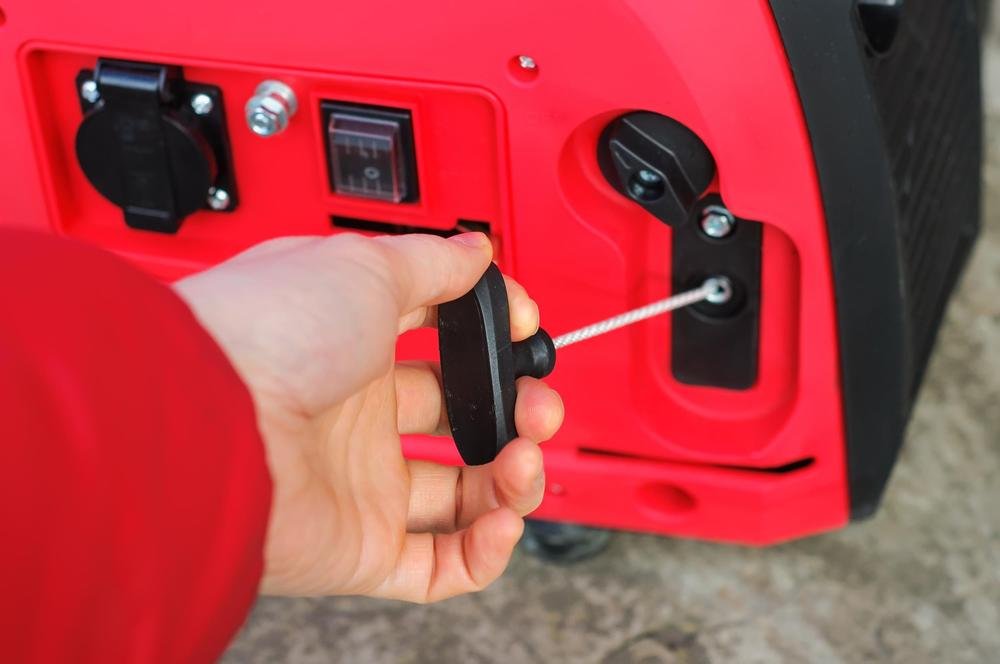
When the lights go out, your generator steps in, a humming beacon of reliability. But what ensures that hum doesn't turn into a sputter, or worse, a silent failure? It all comes down to robust Generator Maintenance and Safety Best Practices. Neglect these, and you're not just risking an inconvenient power outage; you could be facing costly repairs, serious safety hazards, or even life-threatening situations. This guide cuts through the noise to give you the authoritative, yet practical, insights you need to keep your generator running safely and efficiently for years to come.
At a Glance: Key Takeaways for Safe Generator Operation
- Preventive Care is Paramount: Regular checks, fluid changes, and scheduled inspections prevent most common failures.
- Listen to Your Generator: Predictive maintenance uses data to catch issues before they become emergencies.
- React Smartly: Understand common problems and their solutions for quick recovery when issues arise.
- Fuel Facts: Always refuel when cool and off, use the right type, and store it safely in approved containers.
- Ventilation is Vital: Generators produce deadly carbon monoxide; never operate one indoors or near openings.
- Electrical Safety First: Use a transfer switch to prevent backfeeding and only use heavy-duty, outdoor-rated cords.
- Log Everything: Keep a detailed record of all maintenance and operational hours.
The Indispensable Role of Generator Care: Why It Matters More Than You Think
A generator isn't just a machine; it's your emergency lifeline. Whether it's powering essential medical equipment, keeping your home comfortable during a storm, or supporting critical business operations, its reliability is non-negotiable. Skipping maintenance or cutting corners on safety isn't just a gamble; it's a direct threat to your peace of mind, your budget, and potentially your life. Regular care means your generator starts when you need it most, runs efficiently, and lasts longer, saving you money and stress in the long run. It's an investment in preparedness, not just a repair cost.
The Three Pillars of Generator Health: Maintenance Approaches Explained
Just like your car needs regular tune-ups, your generator thrives on a structured maintenance regimen. There isn't just one way to keep it in top shape; rather, a combination of approaches ensures optimal performance and longevity. We break down the three primary methods: Preventive, Predictive, and Corrective maintenance.
1. Preventive Maintenance (PM): Your Proactive Shield
Think of Preventive Maintenance (PM) as your generator's regular check-up. This approach involves scheduled inspections and servicing designed to catch potential problems before they escalate into costly failures. It's about proactive care, not reactive fixes.
Key Tasks in a PM Plan:
- Fuel System: Regularly check fuel levels, drain any accumulated water, and clean or replace fuel filters. Contaminated fuel is a common culprit for generator issues.
- Lubrication System: Monitor oil levels diligently and perform oil and filter replacements according to manufacturer recommendations. Clean oil is the lifeblood of your engine.
- Battery and Electrical System: Ensure the battery is charged and that all connections are secure and corrosion-free. A dead battery means a non-starting generator.
- Cooling System: Inspect radiators for debris, maintain proper coolant levels, and check hoses for cracks or leaks. Overheating can quickly destroy an engine.
- Exhaust System: Verify that the exhaust system is secure and free from blockages, which can create dangerous carbon monoxide buildup.
- Load Bank Testing: Periodically, run your generator under a significant load (ideally full load) using a load bank. This ensures all components are working correctly under realistic conditions and burns off unspent fuel deposits.
A Typical PM Schedule: - Weekly: Check battery charge and connections.
- Bi-Weekly: Verify oil and coolant levels.
- Monthly: Conduct a thorough fuel system inspection.
- Quarterly: Perform load bank testing.
- Annually: Schedule a comprehensive engine overhaul, including spark plug replacement and valve adjustments.
By following a structured PM plan, you significantly reduce the likelihood of sudden failures, extend your generator's lifespan, and maintain its efficiency. For a more exhaustive rundown of what to check and when, you might find a detailed generator maintenance checklist incredibly useful.
2. Predictive Maintenance (PdM): Listening to Your Generator's Heartbeat
Predictive Maintenance (PdM) takes things a step further than PM by using technology to predict when a component might fail, rather than waiting for a scheduled inspection. It's like having a doctor continuously monitoring your vital signs, alerting you before you even feel sick. PdM relies on real-time data analysis and monitoring to anticipate issues.
Key Techniques in PdM:
- Vibration Analysis: Sensors detect abnormal vibrations, which can indicate mechanical wear in critical components like bearings, alternators, or engine mounts.
- Infrared Thermography: Thermal cameras identify "hot spots" in electrical circuits or engine components, signaling overheating before it becomes visible or causes failure.
- Dissolved Gas Analysis (DGA): This technique monitors the condition of oil and fuel, detecting contaminants or degradation that could lead to poor performance or damage.
- Load and Performance Monitoring: Tracking how your generator performs under different loads helps identify inefficiencies or declining performance trends.
PdM is a highly cost-effective approach. By pinpointing exactly when maintenance is needed, it minimizes unplanned downtime, optimizes maintenance schedules, and prevents unnecessary parts replacements.
3. Corrective Maintenance (CM): When Things Go Sideways (And How to Fix Them)
Corrective Maintenance (CM) is what you do when a generator fails unexpectedly. While PM and PdM aim to prevent these situations, sometimes issues still arise. CM is about diagnosing the problem and fixing it quickly to restore operation.
Common Issues and Their Solutions:
- Failure to Start:
- Issue: Dead battery, faulty starter, or lack of fuel.
- Solution: Charge or replace the battery, inspect or replace the starter, ensure adequate and clean fuel supply.
- Low Voltage Output:
- Issue: Faulty Automatic Voltage Regulator (AVR), fuel delivery problems, or an overloaded circuit.
- Solution: Inspect the AVR, clean fuel injectors, or reduce the electrical load.
- Overheating:
- Issue: Clogged radiator, low coolant levels, or a malfunctioning thermostat.
- Solution: Clean the radiator, refill coolant to the appropriate level, or replace the thermostat.
- High Fuel Consumption:
- Issue: Fuel leaks, worn-out injectors, or improper engine tuning.
- Solution: Locate and fix fuel leaks, replace worn injectors, or have the engine tuned by a professional.
Timely corrective maintenance is crucial. Quick diagnosis and repair minimize downtime and prevent minor issues from snowballing into more severe, expensive damage.
Beyond the Basics: Best Practices for Peak Performance
Combining these maintenance approaches provides a robust framework for generator reliability. But truly superior performance hinges on adhering to a few fundamental best practices:
- Structured Maintenance Schedule: Don't guess. Follow the manufacturer's recommended schedule rigorously, incorporating PM, PdM (if applicable), and preparing for CM.
- Genuine Spare Parts: Always use genuine or manufacturer-approved spare parts. Generic alternatives might seem cheaper upfront but can compromise performance, reliability, and safety.
- Monthly Load Tests: Even if you don't have a load bank, run your generator for at least 30 minutes each month under a significant load (e.g., connected to major appliances). This keeps the engine lubricated, prevents fuel gumming, and ensures it's ready when needed.
- Maintain a Detailed Logbook: Record every inspection, maintenance task, repair, and operational hour. This log helps track performance trends, predict future needs, and provides a valuable history for troubleshooting or resale.
- Understand Your Generator: Before you even start thinking about maintenance, it’s vital to grasp what a generator is and how its core components function. This foundational knowledge empowers you to understand why certain maintenance tasks are critical.
Generator Safety 101: Power with Peace of Mind
Generators are incredibly useful, but they demand respect. They harness powerful forces and produce byproducts that can be incredibly dangerous if not managed properly. Adhering to strict safety guidelines isn't just good advice; it's absolutely critical for your well-being and the safety of those around you.
1. The Hidden Dangers: Understanding Generator Safety Risks
Ignorance of generator risks can be fatal. Let's break down the primary hazards you must be aware of:
1.1 Carbon Monoxide (CO) Poisoning: The Invisible Killer
Carbon monoxide (CO) is an odorless, colorless gas produced by incomplete combustion in generator engines. It's incredibly dangerous because you can't see, smell, or taste it. Operating a generator indoors or in poorly ventilated areas allows CO to build up to toxic levels, leading to headaches, dizziness, nausea, unconsciousness, and ultimately, death.
Action:
- Never, ever operate a generator indoors, in garages, basements, carports, or any enclosed or semi-enclosed space.
- Position the generator at least 20 feet away from your home's doors, windows, and vents. Always consider wind direction to ensure exhaust isn't blowing into living spaces.
- Ensure you have functioning carbon monoxide detectors with battery backup installed in your home, especially near sleeping areas.
1.2 Fire Hazards: Preventing the Spark
Generators involve highly flammable fuels, making fire a constant risk if proper precautions aren't taken.
Action:
- Refuel ONLY when the generator is cool and off. Fuel spilled on a hot engine can ignite instantly.
- Store fuel in approved, labeled containers designed for gasoline or diesel. Keep these containers away from living spaces, heat sources, sparks, and the generator itself. For more details, explore how to properly store generator fuel.
- Ensure adequate ventilation around the generator to prevent overheating. Overloading can also cause overheating and fire.
1.3 Electrical Shocks and Electrocution: Staying Connected Safely
Improper electrical connections are a leading cause of generator-related injuries and fatalities.
Action:
- Never "backfeed" electricity into your home's electrical system. This means never plugging your generator directly into a wall outlet. Backfeeding can send power back into the utility grid, endangering utility workers and potentially electrifying power lines beyond your home.
- Always use a professionally installed transfer switch. This device safely isolates your home's electrical system from the utility grid before connecting generator power. For a deeper dive, read about understanding generator transfer switches.
- Use only heavy-duty, outdoor-rated extension cords that are properly sized for the electrical load. Inspect cords for damage before each use.
- Keep the generator, its electrical connections, and cords dry. Never operate a generator in standing water or heavy rain without a purpose-built, well-ventilated generator tent or canopy.
1.4 Mechanical Injuries: Mind the Moving Parts
Generators contain rapidly moving parts like the engine fan, belts, and rotating shafts.
Action:
- Keep a safe distance from a running generator.
- Avoid wearing loose clothing, jewelry, or long hair that could get caught in moving components.
- Ensure all guards and covers are in place before operating the generator.
2. Installation & Placement: Setting Up for Success (and Safety)
Where you place your generator is as critical as how you operate it.
- Well-Ventilated, Outdoor Location: This cannot be stressed enough: always place your generator in an outdoor location with plenty of fresh air. Never in a garage, basement, or any enclosed space. The goal is to ensure carbon monoxide disperses harmlessly into the atmosphere.
- Distance from Openings: Position the generator at least 20 feet (about 6 meters) away from any doors, windows, or vents to prevent CO from entering your home. Consider prevailing wind directions to ensure exhaust fumes are carried away from your property, not towards it.
- Protection from Rain and Moisture: While generators must be outdoors, they also need protection from the elements. Use a generator tent, canopy, or dedicated enclosure specifically designed for outdoor generator use, ensuring it provides adequate ventilation on all sides. Never operate the unit in standing water or heavy rain without this protection.
3. Fuel Handling & Storage: The Power Source Done Right
Fuel is the lifeblood of your generator, but it's also highly flammable and volatile.
- Manufacturer-Recommended Fuel Types: Always use the specific fuel type recommended in your generator's user manual (gasoline, diesel, propane, natural gas). Do not mix fuels or use unapproved alternatives.
- Approved Containers, Away from Heat: Store fuel in properly labeled, approved safety containers designed for the specific fuel type. Keep these containers in a cool, dry, well-ventilated area, away from direct sunlight, heat sources, sparks, open flames, and any pilot lights (e.g., water heaters). Store them away from living spaces and the generator itself.
- Turn Off Before Refueling: This is non-negotiable. Always turn off the generator and allow it to cool completely before attempting to refuel. Fuel vapors can ignite instantly on hot engine parts. Refuel in a well-ventilated outdoor area and immediately wipe up any spills.
4. Electrical Safety Measures: Bridging Power to Home
Connecting your generator to your home's electrical system requires specific precautions to prevent hazardous situations.
- Prevent Backfeeding with a Transfer Switch: The single most important electrical safety measure is to prevent backfeeding. This occurs when generator power flows backward into the utility power lines, posing a severe electrocution risk to utility workers. A professionally installed manual or automatic transfer switch is the only safe way to connect a generator to your home's wiring. It effectively isolates your home from the utility grid when the generator is active.
- Use Heavy-Duty, Outdoor-Rated Extension Cords: If you're powering individual appliances directly from the generator, use only heavy-duty, outdoor-rated (rated for generator use) extension cords that are appropriate for the wattage of the appliances. Overloaded or damaged cords can overheat, cause fires, or deliver electric shocks. Avoid using standard household extension cords, which are not designed for generator loads or outdoor conditions.
- Keep Connections Dry: Protect all electrical connections, including cords and appliance plugs, from water exposure. Use weatherproof covers or position connections where they won't get wet. Never touch a generator or its cords with wet hands or while standing in water.
5. Routine Safety Checks: Your Pre-Flight Inspection
Integrating safety into your routine maintenance ensures your generator is always ready and safe to operate.
- Follow Manufacturer's Schedule: Adhere strictly to the maintenance schedule provided in your generator's user manual. Regular checks for oil levels, filters, and spark plugs are essential for safe, reliable operation.
- Inspect for Damage: Before each use, and as part of your regular maintenance, visually inspect the generator for any signs of fuel leaks, frayed wires, damaged cords, loose connections, or broken parts. Address any issues before starting the unit.
- Cords and Plugs: Always inspect the condition of all extension cords, plugs, and connections. Look for cuts, fraying, exposed wires, or damaged insulation. Replace any compromised components immediately.
Common Generator Questions Answered
Even with the best practices in mind, specific questions often arise. Here are crisp, clear answers to some of the most frequently asked generator questions:
How often should I run my generator for maintenance?
You should run your generator under a significant load for at least 30 minutes each month. This "exercise" prevents fuel from gumming up the carburetor, keeps engine components lubricated, and ensures the unit is ready to go when needed.
Can I use my generator in the rain?
You can, but only if it's properly protected from moisture. This means using a generator tent, canopy, or enclosure specifically designed for outdoor use that ensures adequate ventilation while keeping the generator completely dry. Never operate it in standing water.
Why is proper grounding so important for a generator?
Proper grounding protects against electrical shock. It provides a safe path for electricity to travel to the earth in the event of an electrical fault, preventing the generator's metal parts from becoming energized and delivering a shock. Always follow the manufacturer's grounding instructions.
What's a transfer switch and do I really need one?
A transfer switch is a critical safety device that isolates your home's electrical system from the utility grid when you're using generator power. It prevents backfeeding, which is incredibly dangerous for utility workers and can damage your generator. If you plan to connect your generator directly to your home's wiring, a professionally installed transfer switch is absolutely necessary.
How do I safely store fuel for my generator?
Always store fuel in approved, labeled containers made for the specific fuel type. Keep these containers in a cool, dry, well-ventilated area, away from direct sunlight, heat sources, sparks, and pilot lights. Never store fuel inside your home or garage, and always keep it a safe distance from the generator itself.
Your Generator, Powered Safely
Your generator is a powerful tool for preparedness and convenience. But like any powerful tool, it demands diligent care and unwavering respect for safety. By integrating these Generator Maintenance and Safety Best Practices into your routine, you're not just ensuring your equipment's longevity; you're safeguarding your home, your family, and your peace of mind. Regular maintenance, coupled with strict adherence to safety protocols, transforms a potential risk into a reliable source of power, ready to serve you faithfully when darkness falls. Stay informed, stay prepared, and stay safe.