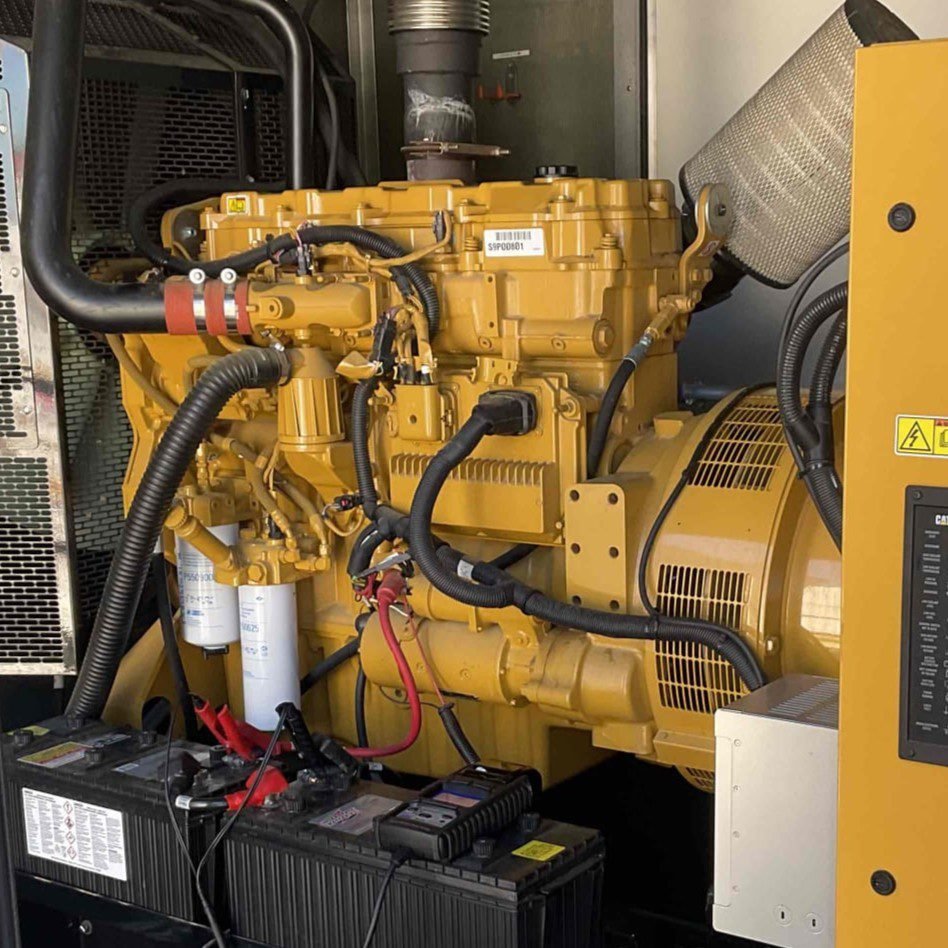
When the lights go out, a power generator can feel like a modern-day miracle, bringing back the hum of refrigerators, the glow of screens, and the comfort of heat or AC. But what magic is actually happening behind the scenes to convert fuel into usable electricity? Understanding the Key Components of a Power Generator Explained in detail doesn't just demystify the process; it empowers you to choose, maintain, and troubleshoot your generator with confidence.
Think of a power generator not as an energy creator, but as a meticulous energy transformer. It takes a stored form of energy (fuel) and, through a sophisticated dance of mechanical and electrical engineering, converts it into the electrical power we rely on. Let's pull back the curtain and explore the core systems that make this transformation possible.
At a Glance: Your Generator's Essential Systems
- Engine: The prime mover, converting fuel into mechanical energy.
- Alternator: Transforms mechanical energy into raw AC electricity.
- Fuel System: Stores and delivers the necessary fuel.
- Voltage Regulator (AVR): Ensures a stable, safe electrical output.
- Cooling System: Manages and dissipates operational heat.
- Exhaust System: Safely expels toxic gases and reduces noise.
- Lubrication System: Protects moving parts from friction and wear.
- Battery: Starts the engine and powers controls.
- Frame & Enclosure: Provides structural support, protection, and noise reduction.
- Control Panel: Your interface for monitoring and operating the generator.
- Automatic Transfer Switch (ATS): For standby units, automatically manages power switching.
The Engine: The Heartbeat of Your Power
At the core of every power generator lies the engine, the prime mover responsible for kickstarting the entire electricity generation process. It’s what transforms chemical energy stored in fuel into rotational mechanical energy, setting everything else in motion. The size and type of this engine directly dictate the generator's power output capabilities.
Fueling the Fire: Engine Types and Their Fuel
Generators aren't one-size-fits-all when it comes to fuel. The choice of fuel profoundly impacts a generator's efficiency, durability, maintenance, and even its suitable applications. For a deeper dive into the nuances of different power sources, you might want to consider exploring different generator fuel types.
- Gasoline Engines: Common for portable generators due to their accessibility and portability. However, gasoline has a relatively short shelf life (around 12 months) and is less efficient than other fuels for prolonged use.
- Diesel Engines: The workhorses for larger portable, commercial, and most standby units. Diesel is renowned for its efficiency, immense power output, and exceptional durability, making it ideal for continuous, heavy-duty operation. However, diesel generators tend to be heavier and louder. Note that diesel and natural gas engines use entirely different, non-interchangeable injection systems.
- Propane/Natural Gas Engines: Increasingly popular for whole-home standby generators. These fuels offer a virtually infinite shelf life and burn cleaner, producing fewer emissions. The ability to connect directly to a home's existing natural gas line provides an uninterrupted fuel supply, eliminating the need for refueling. While slightly less power-dense than diesel, their convenience and environmental benefits often outweigh this.
Engine Longevity: What Matters Beyond Fuel
The engine's operational environment significantly impacts its performance and lifespan. For instance, warmer return fuel can subtly yet consistently reduce engine horsepower – a 1% drop for every 10°F rise above 100°F. Sophisticated fuel coolers are often employed in larger units to mitigate this, ensuring consistent performance.
Furthermore, natural gas engines, which are spark-ignited, require more regular inspection and maintenance of spark plugs and ignition systems compared to compression-ignition diesel engines. Understanding these nuances is key to optimizing your generator's reliability and lifespan.
The Alternator: Turning Motion into Electricity
Once the engine generates mechanical energy, it’s the alternator's job to convert that raw kinetic power into usable AC (Alternating Current) electricity. Often referred to as the "generator end," this component is the true electrical heart of the system.
At its core, the alternator operates on the principle of electromagnetic induction. It consists of two main parts:
- Rotor: This is the rotating component, directly driven by the engine. It contains electromagnets that, when spun, create a rotating magnetic field.
- Stator: This is the stationary component, an assembly of copper wire windings that encircles the rotor. As the rotor's magnetic field spins past these windings, it induces an electrical current within them, thereby generating AC electricity.
The faster the engine spins the rotor, the stronger the magnetic field and, consequently, the higher the voltage and frequency of the electricity produced by the stator.
The Fuel System: Your Generator's Lifeline
A generator is only as good as its fuel supply. The fuel system is the elaborate network responsible for storing the generator's energy source and delivering it precisely to the engine, ensuring continuous operation.
Key Components of the Fuel System:
- Fuel Tank: This is where the fuel is stored. For portable generators, a smaller, integrated tank is common, designed for relatively short runtimes. Standby generators, on the other hand, typically feature large external tanks or are plumbed directly into a natural gas or propane utility line, providing extended or continuous operation. The tank's capacity is a critical factor; for instance, a 300 kW diesel generator with a 555-gallon base tank can run for approximately 24 hours at full load.
- Fuel Line: A series of pipes or hoses that transport the fuel from the tank to the engine.
- Fuel Filter: A crucial component that removes debris, sediment, and water from the fuel before it reaches the engine, preventing costly damage and ensuring clean combustion.
- Fuel Pump: In larger or more sophisticated generators, a fuel pump actively pushes fuel from the tank to the engine, ensuring a consistent supply. Smaller portable units might rely on gravity-feed systems.
Beyond these basic components, a comprehensive fuel system includes sophisticated control equipment. This monitors fuel pumps, storage tanks, fuel inventory levels, and incorporates leak detection systems to ensure safety, efficiency, and environmental compliance. Proper management of your fuel system is a key aspect of effective portable generator maintenance and critical for standby units.
The Voltage Regulator (AVR): Powering Up Safely
Imagine the raw electricity surging from the alternator – it's often inconsistent, prone to fluctuations, and potentially damaging to sensitive electronics. This is where the Automatic Voltage Regulator (AVR) steps in, acting as your generator's electrical guardian.
The AVR is a crucial component that continuously monitors and adjusts the alternator's output to ensure a stable and consistent electrical supply, typically 120V/240V. It smoothes out voltage spikes and dips, preventing them from reaching your connected devices. A high-quality AVR provides a vital layer of surge protection, safeguarding sensitive electronics like laptops, smartphones, and televisions from irreparable harm due to unstable power. Without a reliable AVR, your generator might power your home, but it could also fry your gadgets in the process.
Essential Support Systems: The Unsung Heroes
While the engine and alternator are the stars of the show, a generator wouldn't last five minutes without a suite of vital support systems working in concert. These components ensure the machine runs efficiently, safely, and reliably.
Keeping Cool: The Generator's Cooling System
Generating electricity creates immense heat, particularly within the engine. Without an effective cooling system, the engine would quickly overheat, leading to mechanical failure.
- Air-Cooled Systems: Simpler and more common in most portable and smaller standby generators (typically up to ~22kW). These systems use fans to force air over the engine's fins, dissipating heat directly. They are generally less complex and require less maintenance but can be less efficient, louder, and are more prone to overheating during prolonged, heavy use, especially in hot environments.
- Liquid-Cooled Systems: Found in larger standby and commercial generators (above ~22kW). These systems are similar to a car's radiator, circulating coolant through the engine to absorb heat, which is then dissipated by a radiator and fan. Liquid-cooled systems are significantly more efficient, quieter, and designed for continuous, long-term operation. However, they are more complex and require more regular maintenance, including coolant level and quality checks.
Breathing Out: The Exhaust System's Crucial Role
The exhaust system has two critical functions: safely routing hot, toxic exhaust gases away from the generator and its surroundings, and reducing the ear-splitting noise produced by the engine.
- Toxic Gases: Engine exhaust contains deadly Carbon Monoxide (CO), an odorless, colorless gas that can be fatal. For this reason, portable generators must always be operated outdoors, far away from windows, doors, and vents. Standby units require professional installation with dedicated exhaust piping routed safely away from the building envelope. This is a non-negotiable safety aspect. You can learn more about how to stay safe by reviewing essential generator safety tips.
- Noise Reduction: The muffler, an integral part of the exhaust system, significantly dampens engine noise, making generator operation more tolerable and helping to comply with local noise regulations.
Smooth Operation: The Lubrication System
Just like any complex machinery with moving parts, a generator's engine relies heavily on a robust lubrication system. This system uses oil to create a thin film between moving engine components, drastically reducing friction and preventing mechanical wear. A well-lubricated engine operates smoothly, efficiently, and with significantly extended durability and reliability. Regular oil changes and checks are fundamental to generator longevity.
The Spark: Powering Up with the Battery
The battery is a seemingly small but absolutely critical component, providing the initial burst of power needed to start the engine and power the generator's control panels. It's an inconvenient truth that battery failure is one of the top reasons generators fail to start when needed most.
To prevent this common pitfall, consistent battery maintenance is key:
- Routine Checks: Regularly inspect the battery terminals for corrosion, and clean and tighten connections as needed.
- Sulfate Prevention: Many generators include a battery tender or charger to prevent sulfate accumulation, which can degrade battery performance.
- Shelf Life: Be aware of your battery's expected lifespan and replace it proactively. Some larger generators may even feature a secondary battery for redundancy.
The Backbone: Frame and Enclosure
The generator's frame, often called a skid, is the structural backbone that holds all the heavy components—engine, alternator, fuel tank—securely in place. It's engineered to absorb vibrations and provides essential grounding for electrical shock prevention. Portable generator frames often incorporate handles and wheels, making them easy to move.
For outdoor installations, such as with standby generators, the entire assembly is mounted to a sturdy concrete pad and often housed within an enclosure.
- Weatherproof Enclosures: These protect the generator from environmental elements like rain, snow, dust, and extreme temperatures, ensuring its operational integrity regardless of the weather.
- Sound-Attenuated Enclosures: Beyond weather protection, these enclosures are specifically designed with insulation and baffling to significantly reduce operational noise. This is crucial for residential standby units, helping to comply with local noise ordinances and minimize disturbance to neighbors and residents.
Your Command Center: The Control Panel
The control panel is the generator's brain and your primary interface for operation. It's where you interact with the machine and monitor its performance.
Key Features of a Control Panel:
- Start/Stop Controls: Ranging from a manual recoil cord on small portables to an electric start button, or fully automatic controls for standby units.
- Outlets: For portable generators, these are the direct connection points for your devices, offering standard 120V receptacles and often larger 240V twist-lock outlets for heavy-duty appliances.
- Circuit Breakers: Essential safety devices that automatically trip to prevent electrical overloads, protecting both the generator and your connected equipment from damage.
- Gauges/Meters: Display critical operational data such as voltage output, frequency (Hz), and accumulated running hours, which is vital for tracking maintenance schedules.
Modern control panels are increasingly sophisticated, featuring microprocessors and an array of sensors. These advanced systems provide self-monitoring capabilities, offering diagnostics, error codes, and real-time feedback on critical functions like oil pressure, engine temperature, and coolant levels. They can even automatically adjust generator parameters or initiate a shutdown to prevent damage in case of an anomaly. Understanding these diagnostics is key for effective troubleshooting and ensuring optimal performance.
Portable vs. Standby: Understanding the Key Differences
While sharing many core components, portable and standby generators are designed for fundamentally different purposes, leading to distinct configurations. If you're pondering choosing the right generator for your needs, understanding these distinctions is paramount.
Portable Generators: Power on the Go
These units are built for mobility and flexibility. They are generally:
- Compact and Lightweight: Designed to be moved manually.
- Integrated Fuel System: Feature a small, on-board gasoline tank.
- Manual or Electric Start: Often use a recoil cord or simple electric start button.
- Direct Outlets: Provide power directly via standard electrical receptacles on the control panel.
- Mobility Features: Include handles and wheels for easy transport.
Portable generators are excellent for temporary power needs, like camping, tailgating, or powering essential appliances during a short outage.
Standby Generators: Always On, Always Ready
Standby generators are permanent installations designed for seamless, automatic power protection, typically for homes or businesses. Their most defining and unique component is the Automatic Transfer Switch (ATS).
The Automatic Transfer Switch (ATS): The Brains of Standby Power
The ATS is a separate, critical component that serves as the intelligent intermediary between your home, the utility grid, and your standby generator. Here's how it works:
- Utility Monitoring: The ATS constantly monitors the incoming utility power supply to your home.
- Outage Detection: The moment it detects an interruption or significant drop in utility power, it springs into action.
- Isolation from Grid: The ATS first safely disconnects your home's electrical system from the utility grid. This crucial step prevents backfeeding electricity into the grid, which could endanger utility workers.
- Generator Activation: Simultaneously, the ATS sends a signal to your standby generator, prompting it to start.
- Power Transfer: Once the generator is running and producing stable power, the ATS automatically switches your home's electrical load to the generator's power output.
- Utility Restoration: When utility power is restored and stable, the ATS monitors it for a set period, then seamlessly switches your home's electrical load back to utility power.
- Generator Shutdown: Finally, it signals the generator to cool down and shut off, returning to standby mode, ready for the next outage.
This entire process occurs automatically, often within seconds, providing seamless power protection without any manual intervention from the homeowner. This automation is a major differentiator and a core reason for the higher standby generator installation costs.
Beyond the ATS, standby units are characterized by:
- Large External Fuel Supply: Connect to a natural gas/propane line or a large external fuel tank for extended runtimes.
- Fully Automatic Operation: Start and stop entirely without user interaction.
- Hard-Wired Integration: Permanently connected to the home's electrical panel via the ATS.
- Robust Enclosures: Housed in weatherproof, often sound-dampening, structures for outdoor installation.
Making Informed Decisions for Reliable Power
Understanding the Key Components of a Power Generator Explained isn't just about technical jargon; it's about empowering you to make informed decisions for your home or business. From the foundational power-generating components like the engine and alternator, through the vital support systems like cooling and lubrication, to the intelligent controls and transfer switches, each part plays a non-negotiable role in delivering reliable electricity.
Whether you're looking to purchase a new generator, perform maintenance on an existing one, or simply deepen your knowledge, knowing how these systems interact will give you an invaluable edge. After all, when the power goes out, confidence in your generator is just as important as the power itself. To truly grasp the full scope of these remarkable machines, it's beneficial to explore the generator definition in its entirety, which frames all these components within their broader operational context.