Power outages, whether fleeting blips or days-long ordeals, have a way of throwing modern life into disarray. But you don't have to be left in the dark. Understanding the diverse Types of Generators: From Portable to Standby and Beyond is your first step to ensuring reliable backup power, whether for your home, business, or outdoor adventures. From compact units powering your camping trip to robust systems safeguarding hospitals, generators are the unsung heroes converting mechanical energy into vital electricity, keeping our world running when the grid can't.
Let's demystify these essential machines.
At a Glance: Key Takeaways
- Generators convert mechanical energy into electrical power, using fuel (gasoline, diesel, propane, natural gas) or renewable sources (solar, hydrogen).
- Six main types exist: Conventional Portable, Inverter, Standby, Dual-Fuel, Solar, and Hydrogen.
- Portable generators are cost-effective, mobile, and good for temporary power, but noisy and require manual operation.
- Standby generators offer automatic, whole-home power for extended outages but come with a higher initial investment and professional installation.
- Inverter generators are quiet, fuel-efficient, and ideal for sensitive electronics.
- Solar and Hydrogen generators represent cleaner, quieter, and more sustainable alternatives, though solar may have higher upfront costs and hydrogen is still emerging.
- Choosing the right generator depends on your specific power needs, budget, intended use, and desired features like noise level and fuel flexibility.
- Safety is paramount: Never run fuel-powered generators indoors due to carbon monoxide risks.
The Power Behind the Plug: What is a Generator?
At its core, an electrical generator is a marvel of engineering that takes motive power (the force that creates motion) and transforms it into the electricity we rely on daily. Imagine a powerful engine spinning a coil of wire within a magnetic field – that's the simplified magic of it. This process, known as electromagnetic induction, allows generators to produce electrical output from various sources, predominantly petroleum hydrocarbons like gasoline, propane, natural gas, or diesel. Increasingly, renewable sources such as wind, water, and sunlight are also harnessed to generate power.
These versatile machines aren't just for emergencies. They're critical for everything from keeping the lights on at home during a storm to powering vital medical equipment, fueling industrial activities, and even making outdoor living comfortable. If you're looking for a deeper dive into the fundamental principles, you might want to explore what a generator truly is and how it works.
Generator technology today is more sophisticated than ever, featuring reliable motors, advanced inverter technology for clean power, various start options (key, rope, automatic), silent operation capabilities, enhanced portability, and automatic transfer switch (ATS) frames for seamless power transitions.
Now, let's break down the main categories you'll encounter.
Unpacking the Six Main Types of Generators
Generators come in many forms, each designed to meet specific needs and situations. Understanding their individual characteristics is key to making an informed decision.
1. Conventional Portable Generators: The Workhorse of Temporary Power
When you think "generator," a conventional portable unit is often what comes to mind. These are the versatile powerhouses you can take with you, designed for convenience and moderate power needs.
What they are: These generators utilize an alternator to produce electrical output from readily available fuels like gasoline, diesel, or propane. They're typically identifiable by their sturdy frames, often with wheels and handles for transport.
How they work: The heart of a conventional portable generator is its alternator. This component converts the rotary motion of the engine's shaft (mechanical energy) into an electric current. Inside, a rotor with electromagnets spins within a stator, which contains a copper coil, inducing an electric current. Small domestic units typically operate at 1,500-3,000 rpm. The power output, usually indicated in KW (kilowatts), is defined by the alternator, with the engine sized proportionally. Circuit breakers offer protection against overloads and allow for temporary power spikes.
Power Output: Their output is limited compared to larger systems. For instance, a 10 KVA conventional generator might deliver around 8 KW maximum. They commonly offer nominal voltages from 230Vac single-phase to 400Vac three-phase.
Fuel: Primarily gasoline, propane, or diesel. Some models offer dual-fuel capabilities for added flexibility.
Advantages:
- Portable: Equipped with wheels and handles for easy movement.
- Versatile Fuel: Can run on common petroleum fuels.
- Cost-Effective: Generally less expensive upfront than solar or standby generators.
- Stable Power: Delivers reliable power for a range of appliances.
- Wide Use: Suitable for outdoor activities, job sites, and essential home backup.
Disadvantages: - Environmental Impact: Not eco-friendly, producing carbon emissions and toxic fumes.
- Noise: Can be quite loud (65–85 dB).
- Safety Risk: Carbon emissions make them lethal indoors; they must always be operated outside.
Common Uses: Essential backup power for homes during emergencies, RVing, camping, boating. More powerful units (over 5,000 watts) are indispensable on construction sites and for various commercial applications.
2. Inverter Generators: The Quiet, Clean Power Source
If you need power for sensitive electronics or prefer a quieter operation, inverter generators are your best bet. They represent a leap forward in portable power technology.
What they are: Ultra-quiet and compact, inverter generators are specifically designed to provide stable, "clean" power, making them perfect for sensitive appliances like smartphones, laptops, and televisions. They ensure balanced voltage, protecting your valuable devices.
How they work: Unlike conventional generators, inverter generators produce AC power, convert it to DC, and then "invert" it back to clean AC power using advanced electronic microprocessors. This process allows them to compensate for voltage fluctuations and produce a pure sine wave, mimicking utility-grade electricity. The drive motor and generator are separate components, and inverter technology can adapt the motor frequency to produce clean current at either 50 or 60 Hz.
Noise Level: A standout feature. Most operate between 51 to 55 dB, with some models dropping below 50 dB – quieter than a normal conversation. Many include an "eco mode" that further reduces fuel consumption, lowers engine speed, and decreases noise when full power isn't needed.
Fuel & Engine: Primarily gasoline or propane, with gasoline models being the most common and often more affordable. Most are equipped with efficient 4-stroke engines, which are more environmentally friendly than older 2-stroke models. Tank capacities vary, with larger tanks offering longer runtimes but increasing weight.
Power Output: Typically ranges from 1,000 to 8,000 watts. Units from 1,500W to 2,500W are often sufficient for basic needs and sensitive devices.
Key Features: Look for low oil protection, overload protection, adequate dust/moisture protection (IP ratings), and illuminated displays providing data like voltage and power.
Portability: Highly portable, with units up to 2500W often weighing less than 50 lbs and featuring easy-grip handles. This makes them exceptionally convenient for DIY projects and private use.
Advantages:
- Quiet Operation: Exceptionally low noise levels.
- Clean Power: Safe for sensitive electronics, thanks to pure sine wave output.
- Lightweight & Compact: Highly portable and easy to store.
- Fuel Efficient: "Eco mode" conserves fuel.
- Environmentally Friendly: Lower emissions compared to conventional portable units.
- Compliance: Many are CARB compliant and EPA approved.
Disadvantages: - Power Limitation: Generally not as powerful as conventional or standby generators.
Common Uses: Ideal for campers, caravanners, and anyone needing safe power for televisions, telephones, computers, and other delicate devices, whether at home or in remote locations. The benefits of inverter technology make them a clear choice for modern electronics.
3. Standby Generators: The Ultimate Home & Business Guardians
For unparalleled peace of mind during extended power outages, standby generators are the gold standard. These are permanent fixtures designed for automatic, seamless operation.
What they are: Standby generators are permanent backup power systems installed outside a home or business, directly connected to the building's electrical panel. Often called "whole-house generators" for residential use, they can run on diesel, natural gas, or propane. Natural gas models can tap into the local gas network for continuous fuel.
How they work: These systems are incredibly smart. Equipped with an automatic transfer switch (ATS), they constantly monitor the incoming utility power. The moment an outage is detected, the ATS automatically disconnects the utility line, signals the generator to start, and within seconds, switches your home or business over to generator power – all without you lifting a finger. When utility power returns, the process reverses just as seamlessly. Options also exist for electric ignition (manual turn-on) if automatic isn't desired.
Power Output: Ranging from 7,000 to over 40,000 watts, standby generators can power essential circuits or even an entire large home, including high-wattage appliances like HVAC systems, sump pumps, and electric stoves.
Fuel: Commonly use propane, natural gas, or diesel. Some cutting-edge models are even exploring hydrogen power. The ability to connect to a natural gas line offers a practically limitless fuel supply, eliminating the need for manual refueling.
Advantages:
- Automatic Operation: Detects outages and restores power within seconds, hands-free.
- Very Powerful: Can power entire homes or businesses, including major appliances.
- Extended Runtime: Days to weeks of continuous power, especially with natural gas connection.
- Relatively Quiet: Generally quieter than conventional portables (60–70 dB).
- Lower Emissions: Many models are designed for cleaner operation.
- Increased Property Value: A significant amenity for modern homes.
Disadvantages: - High Initial Investment: Significantly more expensive to purchase than portable units.
- Installation Costs: Requires professional installation, including permits, concrete pad, and electrical wiring.
- Not Portable: A permanent fixture.
- Professional Maintenance: Requires regular service checks by trained technicians.
Common Uses: Providing continuous, whole-house power during prolonged blackouts, essential for homes with medical equipment, offices, wastewater treatment plants, and hospitals where uninterrupted power is critical for life support and operations. They also serve as critical support for emergency and military centers during natural disasters.
4. Dual-Fuel Generators: The Best of Both Worlds
Flexibility is a major advantage, and dual-fuel generators deliver it by allowing you to switch between two different fuel sources.
What they are: These generators, which can be portable, conventional, or even some standby units, are engineered to run on two types of fuel. The most common combination is gasoline and propane, offering users options based on availability, cost, or desired performance. Their design incorporates specific fuel combustion systems and tanks for each fuel type.
Fuel Comparison (Gasoline vs. Propane):
- Gasoline: Widely available and often easier to obtain. However, it's typically more expensive, produces toxic fumes, and is more prone to spillage and degradation over time.
- Propane (LPG): Burns cleaner, resulting in less engine wear and quieter operation. It's also typically cheaper, easier to store long-term, and very difficult to spill. The cleaner combustion leads to reduced emissions.
Advantages: - Fuel Flexibility: Choose the best fuel based on availability, price, or environmental concerns.
- Extended Runtime: If one fuel runs out, you can switch to the other.
- Cleaner Operation: Propane offers a greener, quieter experience.
- Variety: Available in various types (portable, inverter, standby).
Disadvantages: - Some models might support natural gas, which necessitates a connection to a gas network, limiting portability in that specific mode.
Common Uses: Highly versatile for camping, caravanning, and providing backup power for residential homes, hospitals, hotels, or other facilities where fuel choice might vary or availability of one fuel type might be uncertain.
5. Solar Generators / Power Stations: Harnessing the Sun
For those prioritizing quiet operation, zero emissions, and sustainable power, solar generators (often called portable power stations) are an increasingly popular choice.
What they are: Solar generators don't generate power in the traditional sense of converting mechanical motion. Instead, they function as large, rechargeable battery banks. They store electrical energy captured from solar panels (or other sources) for later use. The core technology relies on photovoltaic cells in solar panels, which convert sunlight directly into direct current (DC) electricity.
Components:
- Battery: The central component, storing electricity. Common types include Li-ion and LiFePO4, defined by capacity (Ah/mAh), energy (Wh/KWh), and voltage (V). Higher values mean greater power and longer duration.
- Energy Source: Requires inputs to charge the battery. This typically comes from photovoltaic (solar) panels, but also common are cigarette lighter sockets in vehicles, or standard mains sockets (wall outlets). Charging speed depends on the source's strength.
- Regulator: Essential for solar charging, an MPPT (Maximum Power Point Tracking) regulator prevents overcharging from solar panels, protecting the battery's lifespan. In portable units, this is often integrated.
- Converter (Inverter): Converts the DC power stored in the battery into usable AC power for most household appliances. This is also integrated into portable units.
- Outputs: A variety of outputs, including AC (for typical appliances), DC, and multiple USB ports (for charging phones, laptops, etc.).
- Extra Accessories: Many portable models include integrated screens for battery charge status, power parameters, and even built-in flashlights.
- Important Note: Photovoltaic panels are generally sold separately from the power station itself.
Advantages: - Clean & Quiet: 100% emission-free and completely silent in operation.
- Free Energy (Sunlight): Once the initial investment is made, the fuel (sunlight) is free.
- Low Maintenance: Very easy and inexpensive to maintain.
- Portable: Many models are designed for easy transport.
Disadvantages: - High Acquisition Costs: The initial cost for a robust system can be significant.
- Weather Dependent: Charging relies on sunlight, so cloudy days or nighttime limit power generation.
- Limited Power/Runtime: Generally less powerful than fuel-based generators and runtime is limited by battery capacity and charging speed.
Common Uses: Ideal for outdoor activities, especially suitcase designs for camping, RVing, or backyard power. Off-grid systems, though often less powerful than large fuel generators, can provide sustainable power for homes, companies, and industries, particularly for smaller loads. Explore the latest solar power solutions for off-grid living.
6. Generators Powered by Hydrogen: The Future of Clean Power
Hydrogen generators represent an exciting and evolving frontier in clean energy, aiming to significantly reduce environmental impact while enhancing performance.
What they are: Unlike conventional generators that directly burn fossil fuels, hydrogen-powered systems often integrate hydrogen into the combustion process of existing engines. Hydrogen is produced on demand, then introduced into the engine's combustion chambers, mixing with gasoline or diesel (depending on the engine type).
How they work: When hydrogen mixes with the primary fuel and air, it significantly enhances combustion efficiency. A key benefit is the expulsion of water vapor, which contributes to additional engine cooling. Crucially, hydrogen is not stored onboard in large quantities; it's generated as needed, making the system very safe by avoiding accumulation.
Advantages:
- Dramatic Emission Reduction: Significantly cuts harmful gas emissions (e.g., CO2 by 70-95%).
- Fuel Savings: Can save up to 50% on conventional fuel.
- Increased Autonomy: Extends the device's operational time.
- Boosted Engine Power: Can increase engine power by up to 20%.
- Extended Engine Lifespan: Prolongs oil life, maintains oil purity, and improves overall engine longevity and performance by reducing operating temperatures.
- Quiet Operation: Operates with almost imperceptible noise.
- High Safety: Hydrogen gas is produced only as needed, preventing dangerous accumulation.
Common Uses: These generators can serve the same purposes as conventional generators but with a vastly improved environmental footprint. They are compatible with a wide array of engine and boiler types, including gasoline, diesel, biodiesel, agro-diesel, LPG, NGV/GLC, and biomass. While the technology is still maturing for widespread stationary power, it's actively being implemented in vehicles (motorcycles, trucks, cars, boats) and various types of machinery to reduce their carbon footprint.
Making the Choice: Portable vs. Standby – A Head-to-Head Showdown
The decision between a portable and a standby generator often comes down to a fundamental trade-off between upfront cost and convenience, or between temporary power and permanent peace of mind. Here's a clear comparison:
| Feature | Conventional Portable Generators | Standby Generators |
|---|---|---|
| Unit Cost | $500-$3,000 | $3,000-$15,000+ |
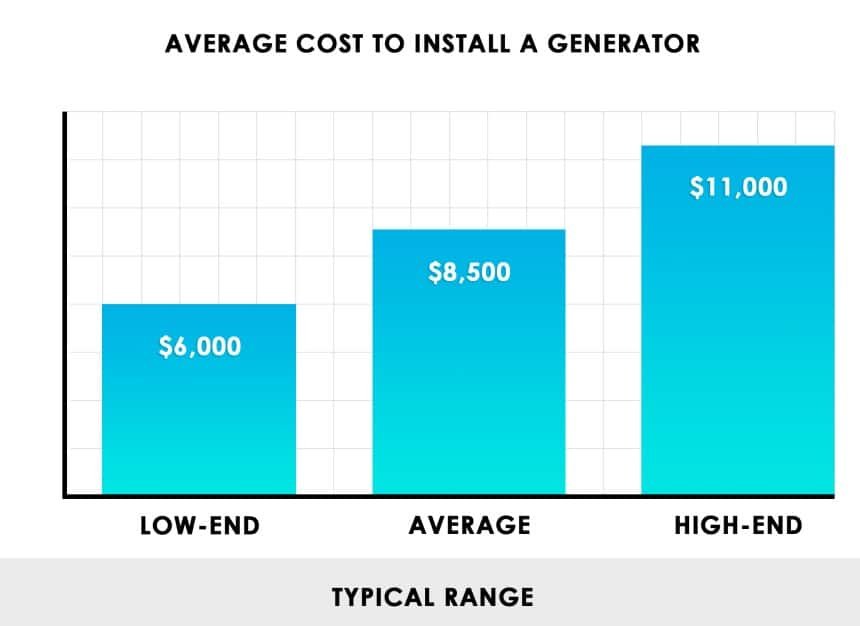
| Installation | Plug-and-play ($0 DIY) | Professional setup ($1,500-$5,000) |
| Power Output | 1,000-12,000 watts | 7,000-40,000+ watts |
| Fuel Type | Gasoline, propane, or diesel | Natural gas, propane, or diesel |
| Runtime | 8-24 hours (requires refueling) | Days to weeks (continuous fuel supply) |
| Noise Level | 65-85 dB (loud) | 60-70 dB (quieter) |
| Maintenance | Manual upkeep (oil changes, ~$50/year) | Self-testing, professional service (~$200-$500/year) |
| Best Use Case | Temporary/emergency power, outdoor activities, job sites. | Whole-home automatic backup, high-demand applications. |
The Pros and Cons of Portability
Advantages:
- Affordable Upfront: Lower initial purchase price makes them accessible.
- No Installation Required: Simply unpack, fuel up, and start (with proper safety).
- Portable Design: Easy to move to different locations as needed.
- Dual-Fuel Options: Offers flexibility in fuel choice.
Disadvantages: - Manual Operation: Requires you to physically start it, refuel it, and connect appliances.
- Limited Runtime: Requires frequent refueling, especially during extended outages.
- Noisy: Can be a significant disturbance, especially in residential areas.
- Insufficient for Whole House: Typically can't power large appliances or an entire home's electrical load.
The Power and Peace of Mind of Standby
Advantages:
- Automatic Power Restoration: Restores power within seconds of an outage, without human intervention.
- Higher Capacity: Can easily handle whole-house power, including HVAC systems and other high-wattage appliances.
- Extended Runtime: With a natural gas connection, it can run indefinitely; propane tanks can last for days or weeks.
- Quieter Operation: Designed to run at lower decibel levels than most portable units.
- Increased Home Value: A desirable feature for many homeowners.
Disadvantages: - Expensive Initial Investment: The generator unit itself is costly.
- Significant Installation Costs: Requires professional work, permits, and modifications to your home's electrical system.
- Permanent Installation: Not movable once installed.
- Requires Professional Maintenance: Ongoing service is necessary to ensure reliability.
Cost: Upfront Investment vs. Long-Term Savings
When evaluating costs, it's crucial to look beyond the sticker price.
- Portable generators are cheaper in the short term, but their operating costs can add up quickly. Running on gasoline, you might spend $20–$50 per day, especially during prolonged outages.
- Standby generators demand a significant upfront investment for both the unit and installation. However, their operating costs, particularly when fueled by natural gas ($5–$20 per day), can be lower over time, especially if you experience frequent or long outages. The convenience factor also adds intangible value.
Safety and Installation: What You Need to Know
No matter which generator you choose, understanding proper safety and installation is non-negotiable.
Operating Your Portable Generator Safely
Portable generators offer incredible utility, but they come with significant safety risks if not used correctly.
- Never Run Indoors: This is the most critical rule. Portable generators produce carbon monoxide, an odorless, colorless, and lethal gas. Operating one indoors, even in a garage with the door open, can be fatal. Always place your generator outdoors, at least 20 feet away from your home, with the exhaust directed away from windows and doors.
- Use Heavy-Duty Extension Cords: Only use outdoor-rated, heavy-duty extension cords with sufficient gauge to handle the power load. Inspect cords for damage before each use.
- Install a Transfer Switch: To safely connect a portable generator to your home's electrical system, you absolutely must install a manual transfer switch. This prevents "backfeeding" electricity into the utility grid, which can seriously injure or kill utility workers and damage your generator. For more in-depth guidance, check out these essential generator safety tips.
- Fuel Storage: Store fuel safely in approved containers, away from living areas and heat sources.
- Refueling Safety: Always turn off and allow the generator to cool before refueling to prevent fire hazards.
Standby Generator Installation: A Professional Job
Installing a standby generator is not a DIY project. It requires professional expertise and adherence to strict regulations.
- Permits and Codes: You'll need permits from your local building and electrical departments. Installation must comply with all local building codes and electrical regulations.
- Proper Placement: The generator must be placed on a level concrete pad, typically a specific distance from your home (as per local codes) to ensure adequate ventilation and prevent exhaust fumes from entering your home.
- Professional Electrician: A licensed electrician is essential for wiring the generator into your home's electrical panel via the automatic transfer switch. They'll ensure safe and compliant operation.
- Fuel Line Installation: If using natural gas or propane, a qualified technician will need to install the necessary fuel lines.
Choosing the Right Generator for Your Needs
Navigating the various types and features can feel overwhelming, but making the right choice boils down to aligning a generator's capabilities with your specific circumstances, budget, and power requirements. Here’s a breakdown to help you decide.
- Go Portable if:
- You need temporary or mobile power for camping, RVing, tailgating, or powering tools at a job site.
- Your budget is under $3,000.
- You only need to run essential appliances during an outage (e.g., refrigerator, a few lights, phone chargers).
- You're comfortable with manual operation and refueling.
- Examples: Honda EU2200i (2,200W, quiet, fuel-efficient), Generac GP3500iO (inverter technology), Champion 3800W Dual Fuel.
- Opt for a Standby if:
- You want automatic, whole-home backup without any effort on your part during an outage.
- You live in an area with frequent or prolonged power outages.
- Your home has medical equipment or critical systems that require continuous power.
- You're willing to invest $5,000+ for a permanent, robust power solution.
- You need to power high-wattage appliances like central air conditioning or electric stoves.
- Examples: Generac Guardian 24kW (Wi-Fi monitoring), Kohler 20RESCL (commercial-grade), Briggs & Stratton 12kW (affordable).
- Consider an Inverter or Solar Generator if:
- Quiet operation and clean power for sensitive electronics are your top priorities.
- You primarily need power for off-grid adventures or basic home equipment during short outages.
- You value fuel efficiency (inverters) or eco-friendly, free energy (solar).
- You're looking for solutions for how to choose a home generator for specific, low-noise needs.
- Choose a Dual-Fuel Generator if:
- You desire flexibility with fuel options, perhaps because one type is more readily available or cost-effective in your region.
- You appreciate the cleaner burn and quieter operation of propane alongside the common accessibility of gasoline.
- Explore Hydrogen Generators if:
- You prioritize significant emission reduction, fuel savings, and enhanced engine performance as a forward-thinking solution for powering existing engines. This is often more for commercial or specific industrial applications at this stage.
To make the most informed decision, remember to carefully review specific model specifications and read reviews. Understanding deciphering generator specifications is crucial for matching a generator's capabilities to your precise needs.
Your Top Questions Answered
Can a portable generator power a whole house?
No, in most cases. While some powerful portable generators can reach 8,000–12,000 watts, this is typically enough for essential appliances like a refrigerator, some lights, and a microwave. They generally lack the capacity to power large, high-wattage appliances such as HVAC systems, central air conditioning, electric water heaters, or electric ovens simultaneously. For whole-house power, a standby generator is usually required.
How long do standby generators last?
With proper professional maintenance and regular exercise (which most do automatically), standby generators are built to last a long time. You can typically expect them to perform reliably for 15 to 30 years, often providing thousands of hours of operation.
Are solar generators a good alternative to fuel-powered generators?
Yes, for certain applications. Solar generators are an excellent, eco-friendly alternative for powering small to medium loads, sensitive electronics, and for off-grid or outdoor use where silence and zero emissions are priorities. However, they have limitations compared to fuel-based models, including dependency on sunlight for charging, potentially higher upfront costs for robust systems, and limited total power output and runtime dictated by battery capacity. For heavy-duty, continuous whole-house power during extended outages, fuel-based generators still typically hold the advantage.
Ready to Power Up? Your Next Steps
Choosing the right generator isn't just about avoiding inconvenience; it's about safeguarding comfort, safety, and productivity. By understanding the distinct characteristics of each type – from the grab-and-go convenience of a portable unit to the seamless reliability of a standby system, or the clean innovation of solar and hydrogen options – you're now equipped to make a confident decision.
Take stock of your specific needs: What absolutely must stay powered during an outage? What's your budget for initial purchase and ongoing fuel/maintenance? Where will the generator be used and stored? Answering these questions will guide you toward the generator that perfectly fits your life, ensuring you're always prepared, no matter what comes your way.